
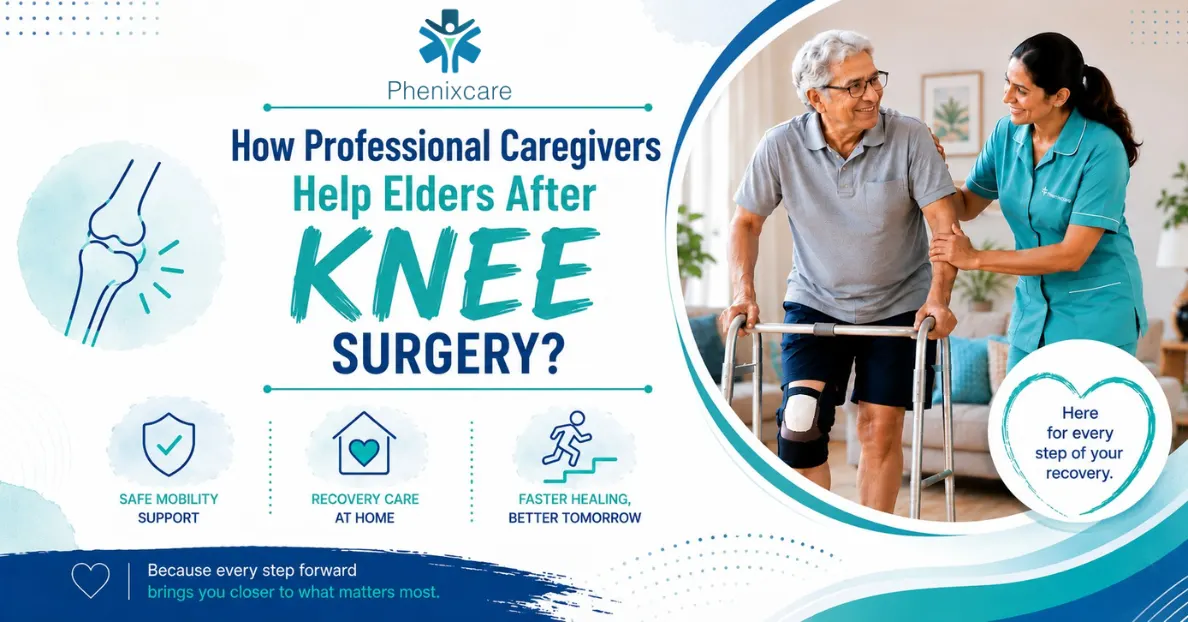
Recovering from knee surgery is a gradual process that requires proper care, patience and support. Whether a patient undergoes knee replacement surgery or another knee procedure, the weeks following surgery can be challenging. Pain, swelling, limited mobility and difficulty performing daily activities often make recovery difficult without assistance.
This is where post-surgical home care plays a vital role. Professional caregivers provide personalized support that helps patients recover safely and comfortably at home. Their assistance can improve safety, promote independence and support a smoother recovery journey after knee surgery.
What Is Professional Caregiving After Knee Surgery?
Professional caregiving after knee surgery refers to daily assistance provided to patients during their recovery period. Caregivers assist with daily activities, mobility, recovery routines and personal care while helping patients maintain independence and safety at home.
Their goal is to support healing, minimize health risks and improve overall recovery outcomes. Through patient care at home, older adults can recover in the comfort of a familiar environment while receiving the personalized assistance and support they need for a smoother recovery journey.
Why Is Post-Surgery Support Important?
The first few weeks after knee surgery are often the most critical. Patients may experience:
- Pain and discomfort
- Swelling around the knee
- Difficulty walking
- Reduced balance and stability
- Challenges with bathing, dressing and meal preparation
- Difficulty managing stitches, metal staples, dissolvable stitches and wound care
- Increased risk of infection at the surgical site
Without proper postoperative care, patients may face complications such as falls, infections, missed medication or delayed recovery. Professional caregivers provide the assistance needed to manage these challenges effectively and support a safer recovery process.
How Do Professional Caregivers Assist With Mobility and Safety?
One of the most important responsibilities of a caregiver is helping patients move safely during recovery.
After surgery, many patients rely on walkers, crutches or canes. Caregivers assist with:
- Walking safely around the home
- Getting in and out of bed
- Moving from bed to chair
- Navigating stairs safely
- Using mobility aids correctly
- Removing obstacles and trip hazards
- Keeping pathways clear and safe
Safe movement during post-operative recovery not only reduces the risk of falls but also improves circulation, supports faster healing and helps patients regain strength and confidence.
How Do Caregivers Support Rehabilitation and Recovery Exercises?
Recovery exercises play an important role in improving strength, flexibility and mobility after knee surgery.
Caregivers support recovery by:
- Encouraging patients to follow their recovery exercises
- Assisting with mobility routines
- Motivating patients to stay consistent
- Helping patients attend therapy appointments
- Tracking progress and recovery milestones
Staying consistent with recovery exercises can help patients regain mobility faster and achieve better outcomes.
How Do Caregivers Help With Personal Care?
Simple daily activities can become difficult after surgery. Professional caregivers provide assistance with:
- Bathing and personal hygiene
- Dressing and grooming
- Using the restroom safely
- Maintaining comfort and cleanliness
This support helps patients recover with dignity while reducing the risk of strain or injury during routine activities.
How Do Caregivers Assist With Medication Schedules?
Patients recovering from knee surgery are often prescribed pain-relief medicines, antibiotics and other medications. Professional caregivers help ensure safe recovery by providing timely medication reminders as prescribed by their doctor.
Proper medication management after knee surgery supports pain control, prevents infection and contributes to a smoother and faster recovery at home.
What Role Do Caregivers Play in Wound Care at Home?
Monitoring the surgical incision is an important part of recovery.
Professional caregivers assist with wound care at home by:
- Keeping the incision area clean and dry
- Observing for redness, swelling or irritation
- Watching for unusual drainage or discharge
- Monitoring for signs of infection
Early identification of concerns can help patients receive timely medical attention and support a safer recovery.
How Do Caregivers Support Nutrition and Emotional Well-Being?
Good nutrition helps the body heal after surgery. Caregivers assist with meal preparation, hydration and grocery shopping to ensure patients receive balanced meals that support recovery.
In addition to physical support, caregivers provide valuable emotional assistance. Many patients experience anxiety, frustration or loneliness during recovery. Professional caregivers offer companionship, reassurance and encouragement that help patients stay positive and motivated throughout the healing process.
At Phenixcare, caregivers understand that recovery involves both physical healing and emotional well-being. Personalized support can make patients feel more comfortable and confident throughout their recovery journey.
What Are the Benefits of Hiring a Professional Caregiver After Knee Surgery?
Professional patient care services at home offer several advantages, including:
- Safer recovery at home
- Reduced risk of falls and injuries
- Better adherence to medication schedules
- Improved participation in recovery exercises
- Assistance with daily activities
- Enhanced emotional well-being
- Reduced stress for family members
- Faster return to independence
These benefits make professional caregiving an important part of successful post-surgical recovery.
For many families, professional caregiving provides peace of mind, knowing that their loved one is receiving dedicated support during a crucial stage of recovery. With experienced caregivers and personalized care plans, Phenixcare helps patients recover safely in the comfort of their homes.
Conclusion
Recovering from knee surgery can be challenging, but the right support can make a significant difference. Professional caregivers provide assistance with mobility, personal care, medication schedules, recovery exercises, nutrition and emotional well-being, helping patients recover safely and comfortably at home.
With trusted post-surgical home care and patient care at home, patients can focus on healing while receiving the support they need to regain independence and confidence.
If you or a loved one is recovering from knee surgery, Phenixcare can provide compassionate and reliable caregiving support tailored to individual recovery needs. From mobility assistance and daily care to recovery support and companionship, our trained caregivers are committed to making the healing journey safer and more comfortable.
Need Professional Care at Home After Knee Surgery?
If you or your loved one needs compassionate and reliable post-surgical home care, Phenixcare is here to help.
📞 Call Phenixcare: +91 8788609208
Get in touch with our team today to learn more about our patient care services and how we can support a safe and comfortable recovery at home.
Frequently Asked Questions
1. Do I need a caregiver after knee replacement surgery?
Many patients benefit from caregiving support, especially during the first few weeks when mobility is limited and daily tasks become difficult.
2. How soon can I walk after knee surgery?
Most patients begin walking shortly after surgery with the help of mobility aids and guidance from healthcare professionals.
3. Can caregivers help with recovery exercises?
Yes. Caregivers encourage patients to follow their recovery exercises, assist with mobility routines and help them stay consistent with their recovery plan.
4. What symptoms should be monitored after knee surgery?
Symptoms to watch for include fever, increased swelling, excessive pain, redness around the incision, wound discharge and shortness of breath. These symptoms should be reported to a doctor immediately.
5. How long is caregiving support usually needed?
The duration varies based on the patient’s condition and recovery progress. Many patients require assistance for two to twelve weeks after surgery.